

History & Culture

History & Culture

Discover the rich heritage of the Gamo people and the Rift Valley.

Timeline of Arba Minch

c. 10,000 BCE

Ancient Highland Heritage

The Gamo Highlands trace their roots back approximately 10,000 years, where early inhabitants developed advanced terracing and agroforestry systems that sustained high-altitude agriculture for millennia.

c. 200 BCE

Lakeside Settlements

Evidence from archaeological surveys indicates that early communities began settling around the fertile shores of Lake Abaya and Lake Chamo, utilizing the abundance of water and fish.

c. 1300 CE

Rise of the Gamo Kingdoms

The Gamo people established a sophisticated system of kingdoms and chieftaincies in the highlands surrounding modern-day Arba Minch. Their democratic assemblies ('Dulata') and unique cultural traditions laid the foundation for the region's identity.

16th Century

Highland Resilience

During the period of the Ahmed Gragn invasion and the subsequent Oromo migrations, the Gamo Highlands served as a vital refuge. The rugged terrain and strong social organization allowed communities to preserve their traditions while integrating new cultural influences.

1962

Modern City Foundation

Arba Minch, meaning 'Forty Springs', was officially established as the administrative center of the Gamo-Gofa province, replacing Chencha due to its strategic location and plentiful water sources.

1974

Nech Sar National Park

The park was formally gazetted to protect the 'Bridge of God' isthmus and its unique wildlife, including the white grass plains that give the park its name.

1986

Arba Minch University

Founded as the Arba Minch Water Technology Institute, it established the city as a center for higher education and specialized research in water resources and engineering.

2005

Maze National Park

Established to protect the endangered Swayne's Hartebeest, this park added to the region's status as a critical biodiversity hotspot in the Rift Valley.

2010s–Present

Tourism Renaissance

Arba Minch has emerged as one of Ethiopia's premier ecotourism destinations. Improved infrastructure, new lodges, and growing international awareness have made the city a gateway to the Omo Valley and the lakes of the Rift Valley.

The Dorze People: Masters of Highland Architecture

The Dorze People: Masters of Highland Architecture

Culture & Heritage

The Dorze are master architects and weavers whose culture is deeply rooted in the Gamo Highlands. Their iconic beehive-shaped huts are constructed from bamboo and enset (false banana) leaves, reaching heights of 12 meters. A unique feature of these structures is their portability; as termites eat the base, the entire house can be lifted and moved, progressively becoming shorter over its 80-year lifespan.

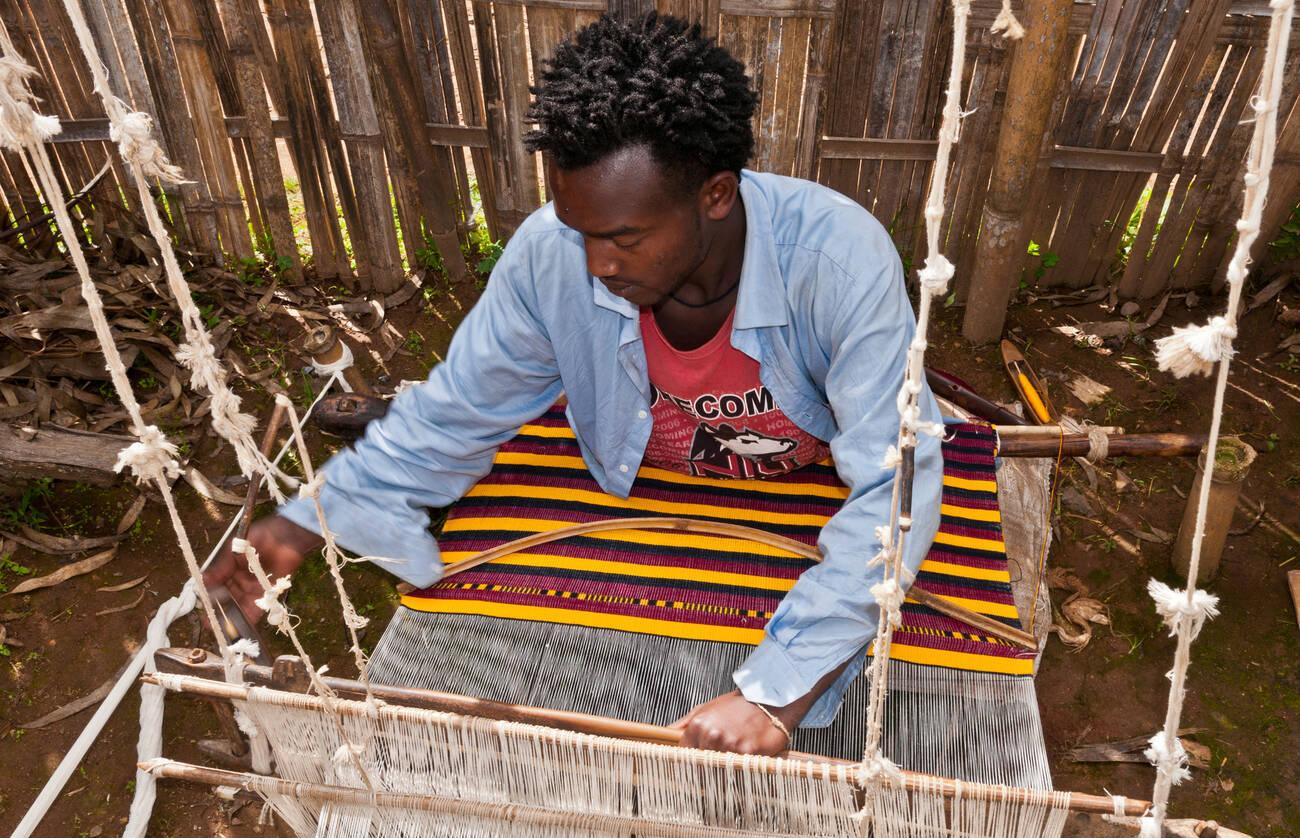
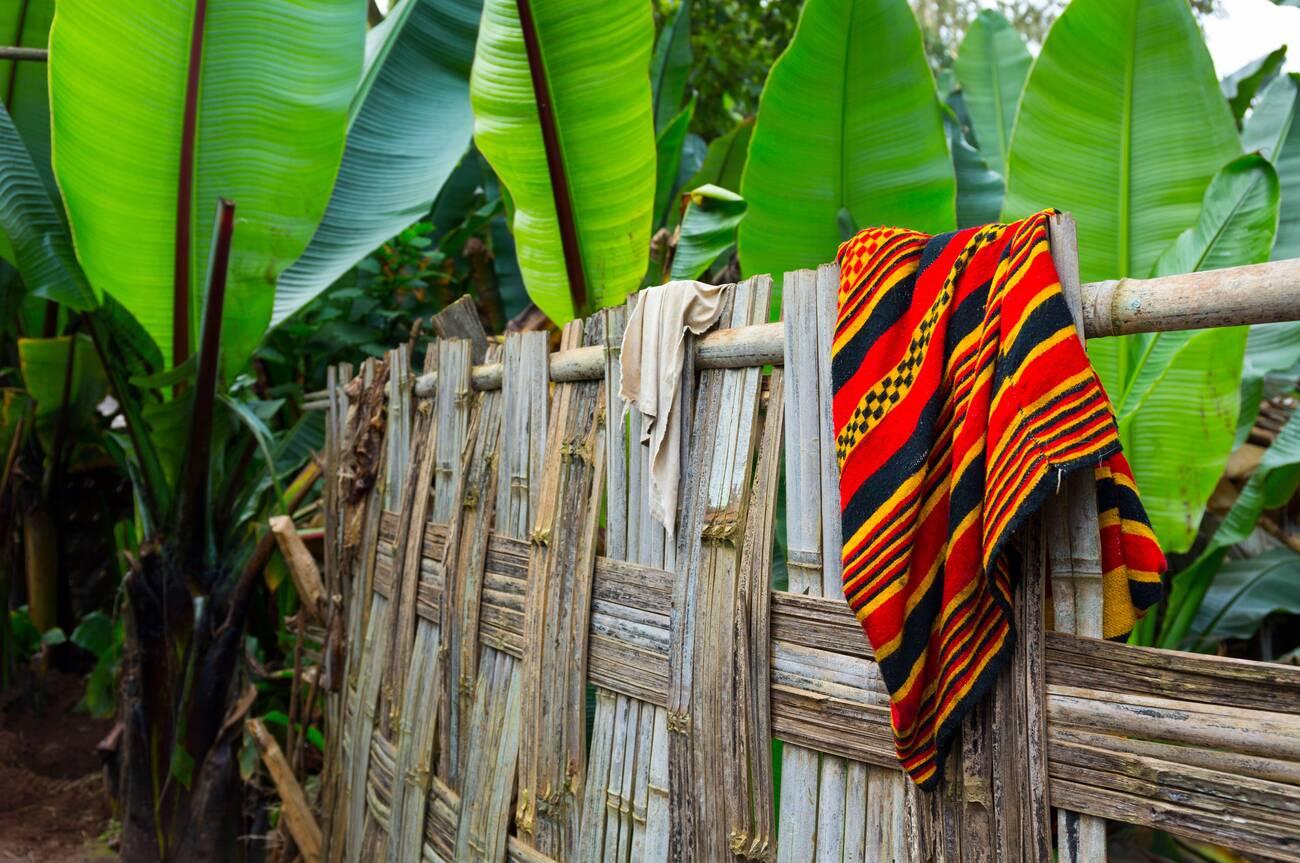
Beyond architecture, the Dorze are Ethiopia's most celebrated weavers. Historically, their 'shamma' (cotton cloth) gained such fame that they came to dominate the textile trade in Addis Ababa following the 19th-century imperial expansion. This craft is a 'learning-by-doing' tradition passed down through generations of boys.
Gamo Indigenous Democracy: The Woga and Dubusha

Gamo Indigenous Democracy: The Woga and Dubusha

Culture & Heritage

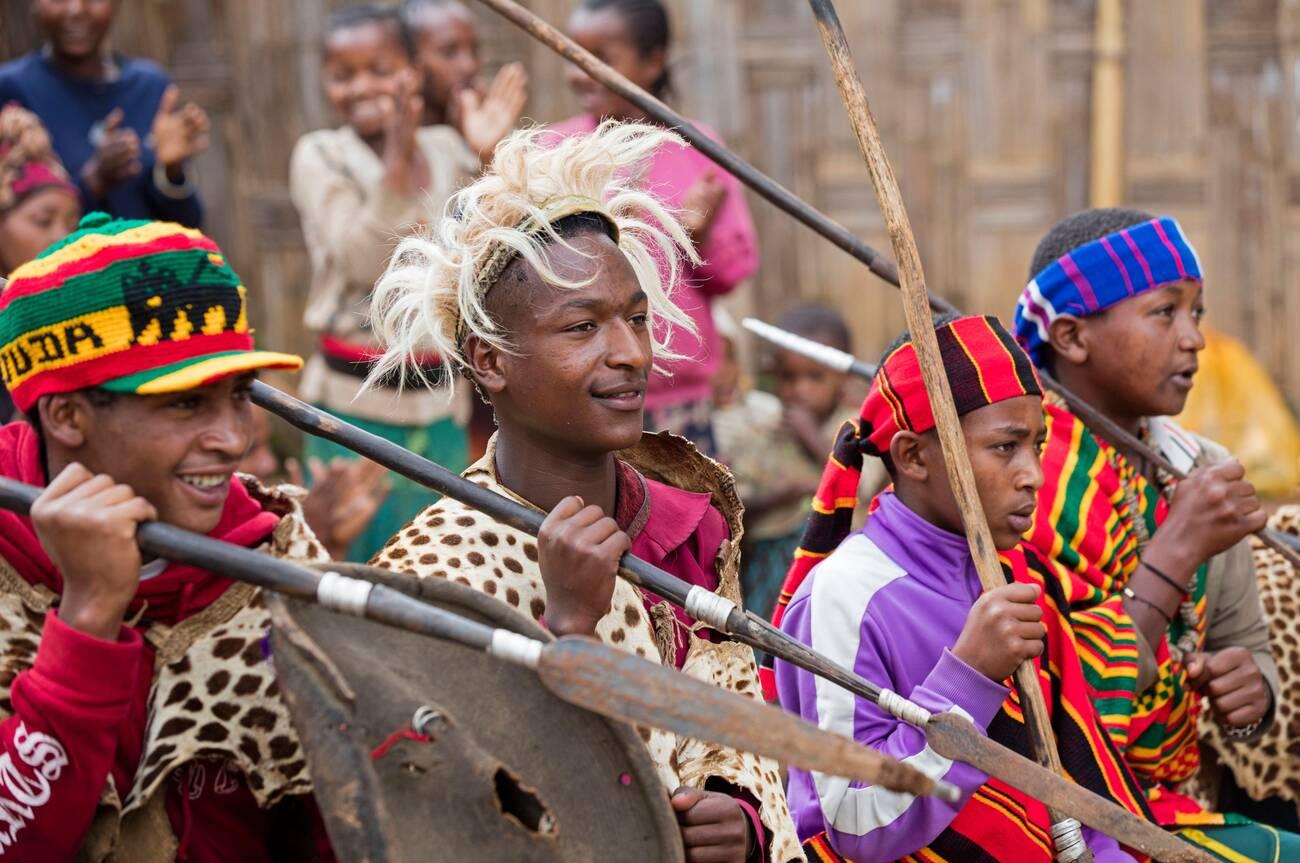
The Gamo people practice a form of indigenous democracy anchored by the 'Woga' (traditional law) and governed through 'Dulata' (assemblies). These assemblies take place in 'Dubusha'—sacred public spaces or meadows that serve as forums for conflict resolution, social dialogue, and spiritual ceremonies.

This social system emphasizes group solidarity and environmental stewardship. Ritual leaders and elders, known for their wisdom in interpreting the Woga, manage the ecosystem through rituals and councils that protect sacred forests and springs. This harmonious balance between human needs and nature is a cornerstone of Gamo identity.

Yo Maskala: The Gamo New Year

Yo Maskala: The Gamo New Year

Culture & Heritage

Yo Maskala is the most significant yearly festival for the Gamo people, marking their traditional New Year and the celebration of the True Cross. It is a time for reconciliation, where community bonds are renewed and historical grievances are settled through the guidance of elders.

The festival is characterized by rhythmic 'Yo' chanting, traditional dances, and the lighting of the 'Demera' bonfire. Men and women dress in their finest hand-woven Gamo textiles, creating a sea of white and vibrant patterns. The celebration is not just religious but a profound expression of Gamo resilience and cultural continuity.

Experience the Culture

Join guided cultural tours to meet local communities and learn traditions firsthand.

Find a Local Guide